
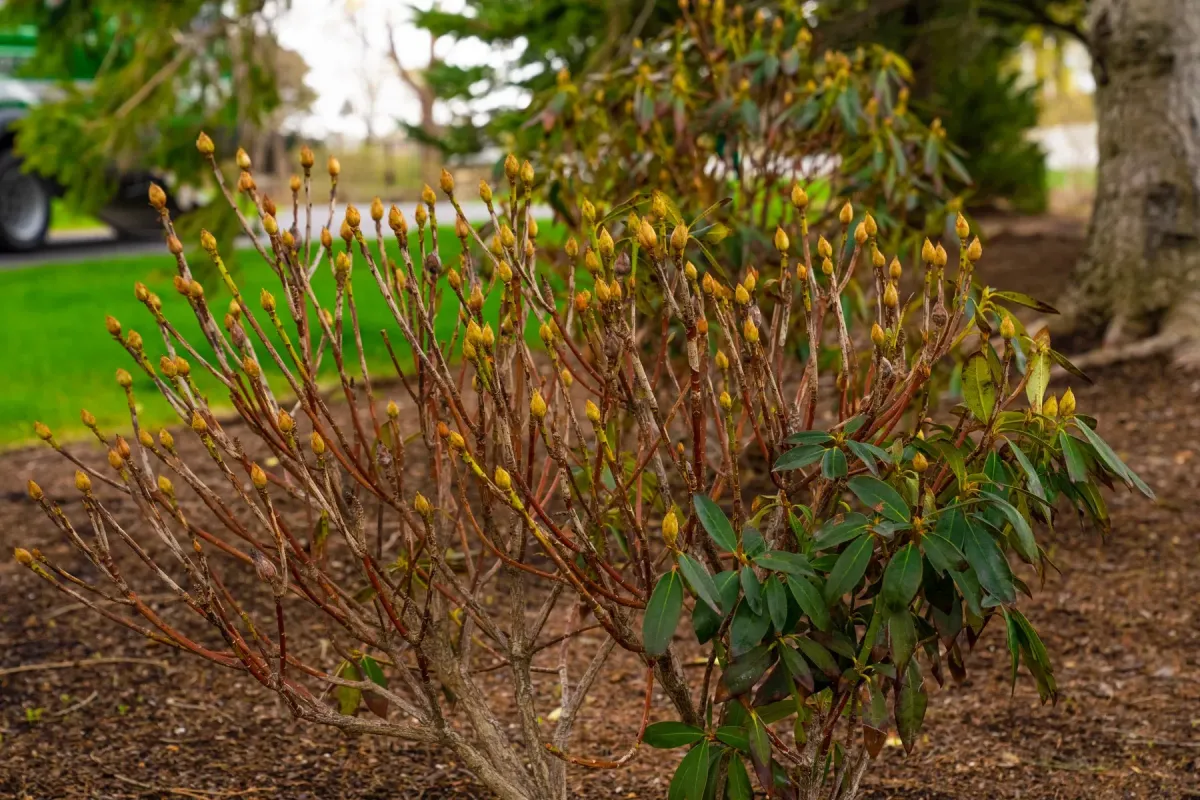
Signs Your Tree Is Stressed in Zellwood and Surrounding Areas
Trees play a vital role in enhancing commercial landscapes and maintaining environmental balance. However, they can experience stress due to changing conditions, poor soil health, or environmental challenges. Recognizing early warning signs helps businesses and property managers in growing commercial zones and nearby communities take timely action to preserve tree health and maintain safe outdoor environments.
What are the common visual signs of tree stress?
Discolored or wilting leaves are often early indicators of stress. Leaves may turn yellow, brown, or drop prematurely. Uneven growth patterns can also appear. These changes signal that the tree is struggling.
How does leaf loss indicate stress?
Excessive or sudden leaf drop can point to environmental strain. This may result from inadequate water or nutrient imbalance. It weakens the tree over time. Monitoring leaf patterns is important.
Can bark damage signal a problem?
Cracks or peeling bark may indicate internal issues. This can expose the tree to pests and disease. Damaged bark affects nutrient transport. Early detection helps prevent decline.
Do slow growth patterns reflect stress?
A stressed tree may grow more slowly than usual. New shoots may appear weak or sparse. Reduced growth signals underlying challenges. Consistent monitoring is necessary.
How do root issues affect tree health?
Compacted or poorly drained soil can damage roots. Weak roots limit nutrient absorption. This affects overall stability. Healthy roots are essential for tree strength.
Can environmental conditions cause stress?
Yes, extreme weather or soil changes can impact trees. Prolonged drought or excess moisture can disrupt growth. These factors influence vitality. Adjusting care practices may help.
Do pests contribute to tree stress?
Infestations can weaken tree structure. Pests feed on leaves and bark. This reduces resilience. Managing infestations supports recovery.
How does nutrient deficiency appear?
Lack of nutrients can cause discoloration or stunted growth. Leaves may show unusual patterns. This indicates poor soil health. Fertilization may be needed.
Can structural changes indicate stress?
Leaning or weak branches may develop. These signs suggest internal strain. Structural issues affect safety. Timely evaluation is important.
Does stress affect long-term tree stability?
Yes, prolonged stress weakens overall strength. It increases vulnerability to damage. Healthy trees are more resilient. Preventive care ensures longevity.
Final Thoughts
Recognizing signs of tree stress helps maintain healthy and safe landscapes. Businesses operating in expanding commercial zones and nearby communities benefit from early identification and proper care. Monitoring tree health supports environmental sustainability and long-term property value.
What causes tree stress?
Environmental changes, pests, and poor soil conditions.
Can stressed trees recover?
Yes, with timely care and maintenance.
Is leaf discoloration serious?
It often signals underlying issues.
Do roots affect tree health?
Strong roots are essential for stability.
Should stressed trees be monitored regularly?
Yes, ongoing observation helps prevent decline.
Address: 3073 Ponkan Oaks Ln, Zellwood, FL 32798
phone: +1 407-253-6291
Email: [email protected]