Residential Hazardous Tree Care Services in Longwood, FL & Surrounding Areas
Residential hazardous trees pose significant risks to homes, families, and property in Longwood, Florida, as well as nearby areas such as Altamonte Springs, Winter Springs, Sanford, Lake Mary, Maitland, Apopka, Oviedo, Casselberry, and Chuluota. Professional hazardous tree care services provide inspection, risk assessment, pruning, cabling, and safe removal to protect your home and enhance your landscape’s safety and beauty. Timely intervention can prevent accidents, reduce property damage, and maintain healthy trees for years to come.
What Are Residential Hazardous Trees and Why Are They Dangerous?
Hazardous trees are dead, diseased, leaning, or storm-damaged trees that could fall or shed branches. These trees pose threats to homes, cars, children, and pets. Homeowners in Longwood, Altamonte Springs, and Winter Springs often need professional assessment to prevent accidents and property loss.
How Do Professionals Identify Hazardous Trees in Residential Areas?
Certified arborists inspect trunk stability, branch integrity, root health, and signs of disease or decay. Trees with cracks, fungal growth, or lean in Sanford, Lake Mary, or Maitland are marked for treatment, pruning, or removal to ensure safety.
What Services Are Included in Residential Hazardous Tree Care?
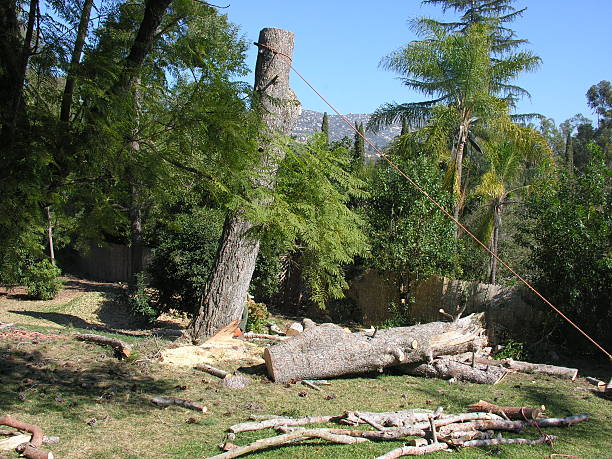
Services include emergency removal, pruning weak limbs, tree cabling and bracing, stump grinding, and debris cleanup. These services keep yards safe and protect homes in Apopka, Oviedo, Casselberry, and nearby communities.
When Should Homeowners Schedule Hazardous Tree Care?
Immediate action is recommended if a tree poses an imminent risk to structures or people. Regular inspections help catch potential hazards early in Longwood and surrounding areas before they become emergencies.
Can Trees Be Stabilized Instead of Removed?
Yes, some trees can be saved using cabling, bracing, or selective pruning. These techniques maintain the tree’s health while reducing risk, especially in neighborhoods like Lake Mary, Maitland, and Altamonte Springs.
How Do Professionals Ensure Safety During Residential Tree Care?
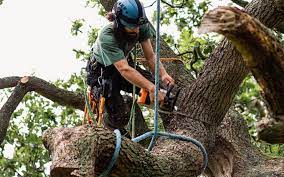
Experts use ropes, harnesses, cranes, and proper cutting tools, following strict safety protocols. They also evaluate surrounding property to prevent damage in Longwood, Sanford, Oviedo, and Apopka.
Are Services Available for Both Small and Large Residential Properties?
Yes. Teams can handle single trees, multiple hazardous trees, or large yards. Homes in Casselberry, Chuluota, and nearby towns benefit from scalable services tailored to property size and tree complexity.
How Quickly Can Hazardous Tree Services Respond to Emergencies?
Local professionals typically respond within a few hours for urgent situations. Fast response in Longwood, Altamonte Springs, Winter Springs, and nearby towns prevents accidents and property damage.
Why Choose a Local Residential Hazardous Tree Specialist in Longwood, FL?
Local arborists know Florida’s tree species, climate risks, and seasonal storm patterns. They provide fast, reliable, and safe services for Longwood, Lake Mary, Apopka, Sanford, Oviedo, and surrounding communities.
Final Thought
Residential hazardous tree care in Longwood, FL, and nearby areas like Altamonte Springs, Winter Springs, Sanford, Lake Mary, Maitland, Apopka, Oviedo, Casselberry, and Chuluota ensures your property remains safe and your trees healthy. Professional services provide fast, reliable, and safe solutions, protecting homes, families, and neighborhoods from dangerous tree hazards.
What makes a tree hazardous for residential properties?
A tree is hazardous if it is dead, leaning, cracked, diseased, or storm-damaged, posing risks to people or property.
Can hazardous trees be pruned instead of removed?
Yes. Minor hazards can sometimes be mitigated with pruning or cabling, depending on the tree’s condition.
How soon should hazardous trees be addressed?
Immediate action is recommended if the tree poses imminent danger to your home or family.
Do services include debris cleanup?
Yes. Most residential hazardous tree services remove branches, stumps, and debris after pruning or removal.
Are services safe for trees near homes and power lines?
Yes. Professionals follow strict safety protocols and use specialized equipment to prevent property or utility damage.
Address: 3073 Ponkan Oaks Ln, Zellwood, FL 32798
phone: +1 407-253-6291
Email: [email protected]