Hazardous Tree Removal Insurance in Mt. Dora & Surrounding Areas
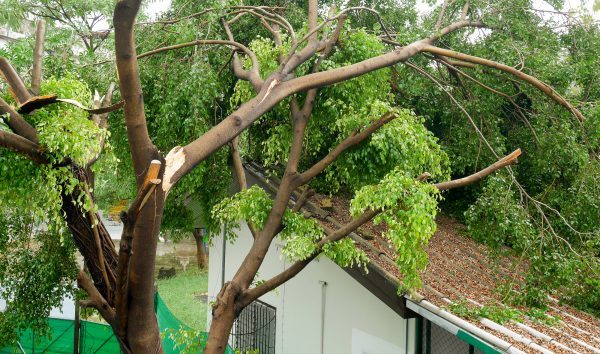
Hazardous tree removal insurance in Mt. Dora and surrounding areas is an important topic for homeowners who want to protect their property and avoid unexpected costs when a tree becomes dangerous. Hazardous trees can fall due to storms, disease, root damage, or structural weakness, and the damage can be serious if the tree lands on a roof, vehicle, fence, or power line. Many homeowners assume insurance will always cover tree removal, but coverage often depends on what caused the damage, whether the tree hit a structure, and if the situation is considered an emergency. Understanding how insurance works can help you make faster decisions and avoid delays when time matters most. It is also helpful to know what documentation may be needed, such as photos, inspection notes, and repair estimates. Professional tree specialists can identify safety risks early and help prevent emergencies that lead to bigger insurance claims. In Mt. Dora, weather changes and high winds can increase the risk of tree failure, making proactive planning a smart choice. With the right approach, homeowners can protect their home, reduce liability, and handle hazardous tree situations with confidence.
How do homeowners know when a tree is considered hazardous?
A tree may be hazardous if it is leaning, cracked, hollow, or has large dead limbs hanging over a home or driveway. Root lifting, soil movement, and trunk damage can also indicate a serious safety risk. If the tree looks unstable, it is best to schedule a professional evaluation quickly. Many homeowners request Hazardous Trees assessments when safety becomes a concern.
Does homeowners insurance cover removing a dangerous tree before it falls?
In many cases, insurance may not cover preventive removal unless the tree causes damage or creates an immediate covered emergency. Coverage rules can vary based on your policy and the cause of the hazard. It is best to review your policy or speak with your provider for confirmation. Preventive action can still save money by avoiding major damage later.
What situations usually make tree removal more likely to be covered by insurance?
Insurance is more likely to help when a tree falls due to a covered event like a storm and damages a structure. If the tree falls but does not hit anything, coverage may be limited. Policies often focus on damage repair rather than preventive work. A clear claim depends on documentation and policy terms.
What information should homeowners collect for a tree-related insurance claim?
Photos of the tree, damage location, and surrounding area are helpful for claims. Homeowners should also document the date, weather conditions, and any visible hazards. Written estimates and inspection notes can strengthen the claim process. Good documentation helps reduce delays and confusion.
How does emergency response affect insurance and repair decisions?
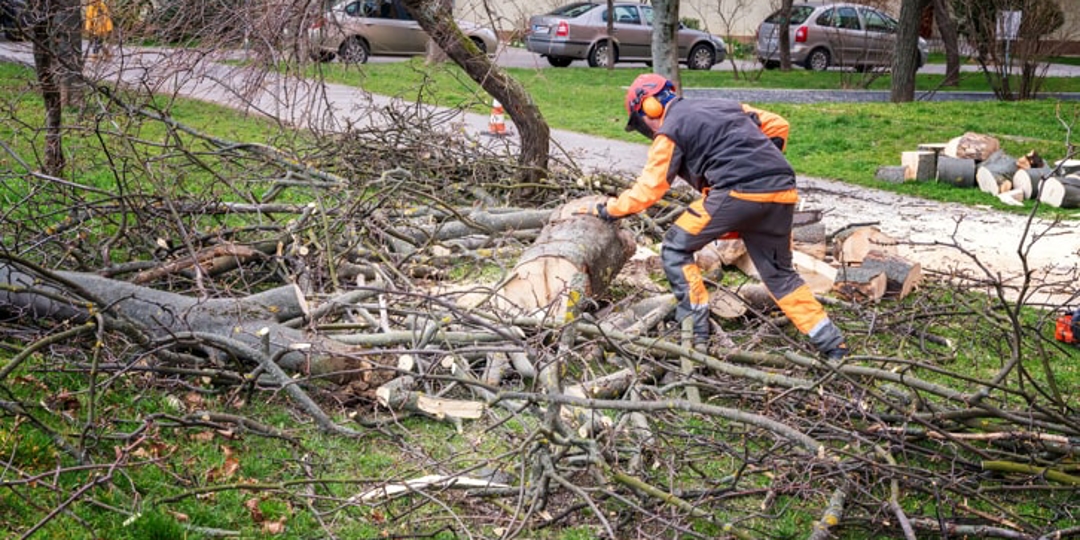
Emergency situations often require quick action to prevent further damage or safety risks. In urgent cases, homeowners may need to move forward with service and provide documentation afterward. Quick response can also reduce total repair costs. Many homeowners call Emergency Tree Removal when a tree threatens immediate damage.
Can tree trimming reduce the chance of insurance claims in the future?
Yes, trimming helps remove weak limbs and reduce the risk of branches falling during storms. It also improves tree structure and reduces stress on heavy sections. Preventive maintenance can reduce emergency situations and property damage. Many homeowners schedule Tree Trimming to improve safety and reduce long-term risk.
What role does contractor insurance play during hazardous tree removal work?
Contractor insurance helps protect homeowners in case of accidental property damage or injury during the job. Hiring a properly insured company reduces liability concerns and improves peace of mind. It also shows that the contractor operates professionally and responsibly. Homeowners should always ask for proof of coverage before work begins.
Why do hazardous tree situations sometimes become legal or liability issues?
If a hazardous tree falls and damages a neighbor’s property, liability questions may come up depending on prior warnings and tree condition. Homeowners who ignore visible hazards may face disputes or claims. Acting early helps reduce legal risk and property damage. Professional evaluations can support responsible decision-making.
What should homeowners do if a hazardous tree is near power lines?
Trees near power lines should never be handled without professional coordination. This situation can be extremely dangerous and may require utility involvement. A professional team will plan removal safely and reduce risk of outages or injury. Fast action is important when safety hazards are involved.
How can homeowners choose the right company for hazardous tree work?
Look for experience, strong safety practices, and clear communication about the removal plan. A professional company should provide written estimates and explain cleanup steps clearly. Choosing a reliable team reduces stress during emergencies. Many homeowners choose Tree Removal services when they need safe and efficient results.
Final Thought
Hazardous tree removal insurance in Mt. Dora can be confusing, but understanding how coverage works helps homeowners make smarter and faster decisions. Insurance may help more when a tree causes damage from a covered event, while preventive removal may not always be included. The best approach is to document hazards early, respond quickly during emergencies, and work with qualified professionals. With proper planning, homeowners can reduce risk, protect their property, and handle hazardous tree situations with confidence.
Does insurance always pay for hazardous tree removal?
Not always, because coverage depends on the policy and whether damage has occurred. It is best to confirm details with your provider.
What if a tree falls but does not damage anything?
Some policies may not cover removal if there is no property damage. Coverage can vary, so review your policy terms.
Should I remove a hazardous tree before storm season?
Yes, preventive removal can reduce the risk of major damage. It may not always be covered by insurance, but it can prevent costly emergencies.
Do I need proof before filing a tree damage claim?
Yes, photos and written documentation help support your claim. Estimates and inspection notes can also be useful.
Can trimming help reduce hazardous tree risks?
Yes, trimming reduces weak limbs and improves tree structure. Regular maintenance helps lower the chance of storm-related damage.
Address: 3073 Ponkan Oaks Ln, Zellwood, FL 32798
phone: +1 407-253-6291
Email: [email protected]